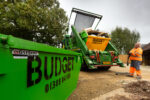
What is a waste transfer station?
A waste transfer station is a licensed facility where waste is brought before being sorted, processed, recycled or moved to another approved destination. It is not simply a place to drop waste and leave. The site has to manage compliance, safety, paperwork and material recovery.
For businesses, using a licensed waste transfer station helps keep waste traceable. It also supports Duty of Care responsibilities by making sure materials are handled through the correct route.
The Budget Waste site tipping process
Budget Waste’s site tipping facility is designed to help contractors tip waste safely and efficiently. The aim is to get vehicles through the site without unnecessary delays, while still completing the right checks.
Before tipping, contractors should call 01386 841181 to book. Tipping can be scheduled with as little as five minutes’ notice, but organisations must hold a valid waste carrier’s permit to use the facility.
Step one: booking your tip
The first step is to book your tip with the Budget Waste team. This helps the site understand what is arriving, when it is expected and what type of waste is being brought in.
If you are carrying anything unusual, restricted or potentially hazardous, speak to the team before travelling. This helps avoid wasted journeys and makes sure the waste can be handled correctly.
Step two: weighbridge check-in
When arriving at the site, use postcode WR11 7QE and enter through the weighbridge entrance. Drivers should remain on the weighbridge until the green light confirms the check-in process is complete.
The weighbridge is an important part of the process. It records vehicle weight, supports accurate waste handling and helps prepare the paperwork needed for compliant disposal.
Step three: following site instructions
After check-in, drivers should follow the site signage to the main reception building, marked with the number 3, unless instructed otherwise. All site speed limits and safety rules must be followed.
Basic PPE is mandatory. This includes high-vis clothing, a hard hat, safety footwear and no shorts. These rules protect drivers, site staff and other vehicle operators using the facility.
Step four: tipping and final checks
Once waste has been tipped in the correct area, drivers return to the weighbridge. Final compliance checks are completed, and the paperwork is prepared.
For safety reasons, all personnel must remain inside their vehicles while on the weighbridge. This keeps traffic movement controlled and reduces risk on a busy working site.
What happens to the waste after tipping?
Once waste enters the facility, it can be sorted, separated and processed depending on the material type. Budget Waste’s recycling operation handles materials including aggregates and soils, wood, plastics, plasterboard, metal, paper and cardboard.
The company’s recycling services process over 96% of waste brought into site for recycling and diversion from landfill. Its custom-built recycling centre can process up to 75,000 tonnes of waste per year.
How materials are sorted for recycling
Different waste streams need different handling. Aggregates and soils are sorted, cleaned and crushed into reusable sizes. Wood is processed into woodchip and sent for biomass use. Plastics are sorted by product and colour before being cleaned, baled and sent for further recycling.
Metals are segregated via picking lines and hand sorting. Paper and cardboard are sorted by type, cleaned, baled on site and sent for further processing. Plasterboard is stored in line with environmental rules before being sent for specialist processing.
You can read more about the materials handled through Budget Waste’s waste recycling and recycled materials services.
Why paperwork matters
Waste paperwork is not admin for the sake of it. It helps prove where waste went, who handled it and how it was managed.
Budget Waste issues waste transfer notes within 24 hours for site tipping. These documents include compliance codes and should be retained for your records. For contractors, this helps support Duty of Care and keeps waste movements traceable.
Who uses a waste transfer station?
Waste transfer stations are commonly used by contractors, trades, commercial operators and licensed waste carriers. They are especially useful for businesses handling regular waste from jobs, sites or customer premises.
Typical users include:
- Construction and building contractors
- Landscapers and groundworkers
- Grab lorry and tipper operators
- Property maintenance companies
- Commercial clearance teams
- Businesses managing regular waste streams
Budget Waste also supports businesses through commercial waste services, commercial skip hire, trade accounts and recycling support.
What should contractors check before visiting?
Before using a tipping facility, contractors should check that they have the correct waste carrier registration, suitable PPE and a clear understanding of what waste they are carrying.
A simple pre-visit checklist should include:
- Valid waste carrier’s permit
- Booking made with the site
- Correct site postcode: WR11 7QE
- Waste type checked before arrival
- High-vis clothing, hard hat and safety footwear
- Any hazardous or restricted materials discussed in advance
Why use Budget Waste’s transfer station?
Budget Waste’s transfer station is built for practical, compliant waste movement. The site has an ample tipping area, heavy-duty construction, integrated safety features and accessible design for vehicles from vans to HGVs.
The wider operation also gives contractors and businesses access to recycling, commercial waste support, trade accounts and skip hire from one provider. For regular users, a Budget Waste trade account can help with account management, orders, exchanges and reports through the online portal.
Need help with site tipping or recycling?
If you need to tip waste, check whether a material can be accepted, or set up regular commercial waste support, speak to Budget Waste before travelling to site.
The team can help with site tipping, recycling, commercial waste, trade accounts and skip hire. To arrange support, contact Budget Waste or call 01386 841 181.
FAQs
What is a waste transfer station?
A waste transfer station is a licensed facility where waste is received, checked, sorted and prepared for recycling, processing or onward movement to another approved facility.
Where is Budget Waste’s waste transfer station?
Budget Waste’s waste transfer station is at Buckle Street, Honeybourne, Worcestershire, Evesham WR11 7QE.
Do I need to book before tipping waste?
Yes. Contractors should call 01386 841181 before attending. Budget Waste says tipping can be scheduled with as little as five minutes’ notice.
Do I need a waste carrier’s permit?
Yes. Organisations using the site tipping facility must hold a valid waste carrier’s permit.
What happens after I tip waste?
After tipping, you return to the weighbridge for final compliance checks. Budget Waste then prepares the paperwork and issues a waste transfer note within 24 hours.
Can waste be recycled after tipping?
Yes. Budget Waste processes over 96% of waste brought into its site for recycling and diversion from landfill, depending on the waste stream and compliance requirements.