Skip Hire or Man and Van: Which Is Cheaper for a Clear-Out?
For a clear-out, man and van rubbish removal is usually the better choice when you have a small or awkward load, no space for a skip, or you would rather someone else did the lifting. Skip hire tends to win when the job is bigger, you are filling it over several days, or you are happy to load it yourself. Which is cheaper depends less on a headline price and more on how much waste you have and what your time is worth. Here is how the two compare.
What is man and van rubbish removal?
A team turns up, loads your waste into a van or lorry, and takes it away, usually the same day. Most operators price by the volume the waste takes up, often described in yards or as a fraction of a van load, with a minimum charge for small jobs. You are paying for a service rather than a container, which suits small volumes, tricky access, and one-off jobs where you do not want to lift or store waste on site.
What is skip hire?
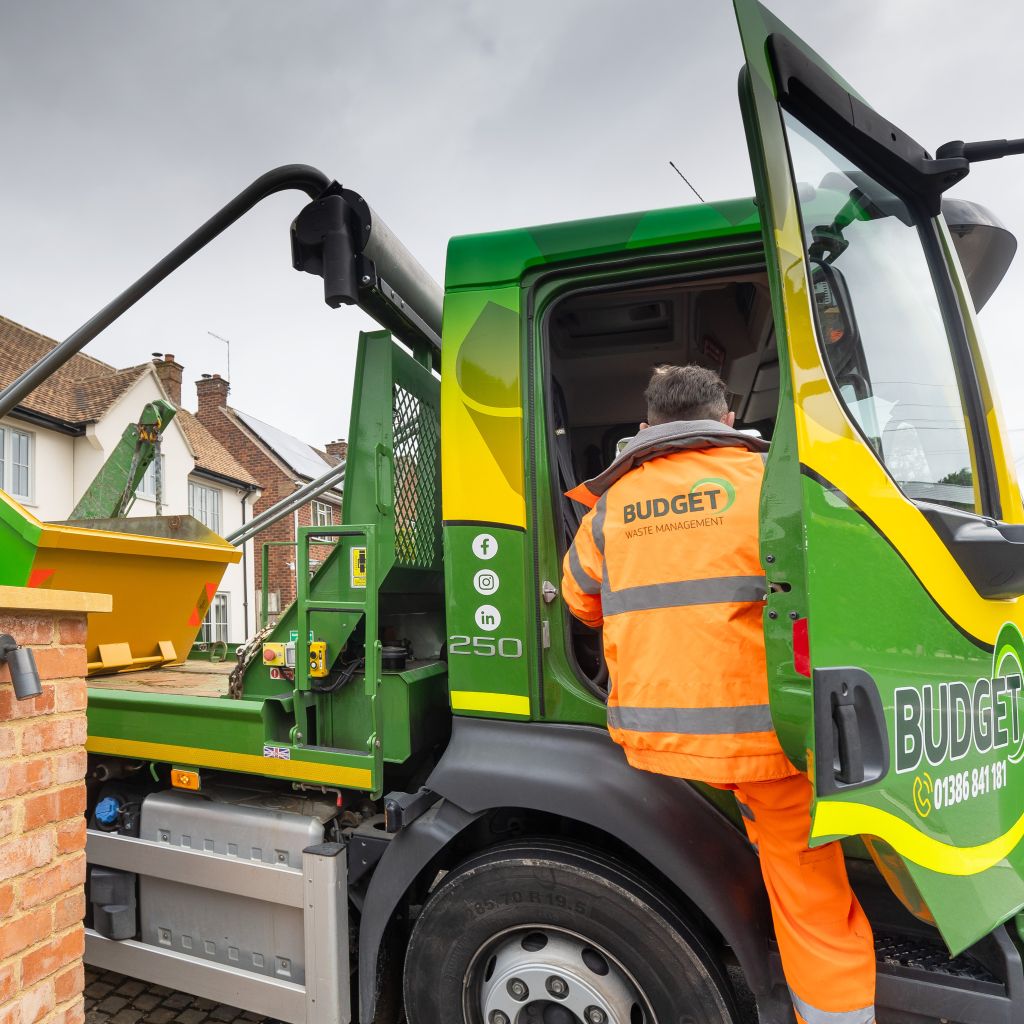
With a skip you hire the container for a fixed period, load it yourself, and it is collected at the end. It is priced by size and by postcode zone, and if it stands on a public road you need a council permit. A skip suits larger jobs, waste you generate over several days, and anyone happy to do the loading.
Which works out cheaper?
For a small, quick clear-out, man and van can be cheaper overall, because you are not paying for a skip to sit on your drive and you are not doing the work. For a larger or longer job, skip hire is usually cheaper for the amount of waste, because the cost of the container spreads across far more material. The crossover point is roughly the volume of a small skip: below it, paying for labour often wins; above it, paying for a container does.
As a rough example, a single-room declutter of a few bags and an old wardrobe is an hour’s work for a man and van and gone the same day. The same waste in a skip means paying for the smallest skip, possibly a permit if it goes on the road, and doing the loading yourself. Scale that up to a full renovation, though, and the skip’s fixed cost is spread across much more waste, so it flips to the cheaper option.
Weigh two hidden costs. With a skip, add a permit if it goes on the road, plus the value of your own time loading it. With man and van, you are paying a premium for the labour and the same-day convenience.
When to choose each
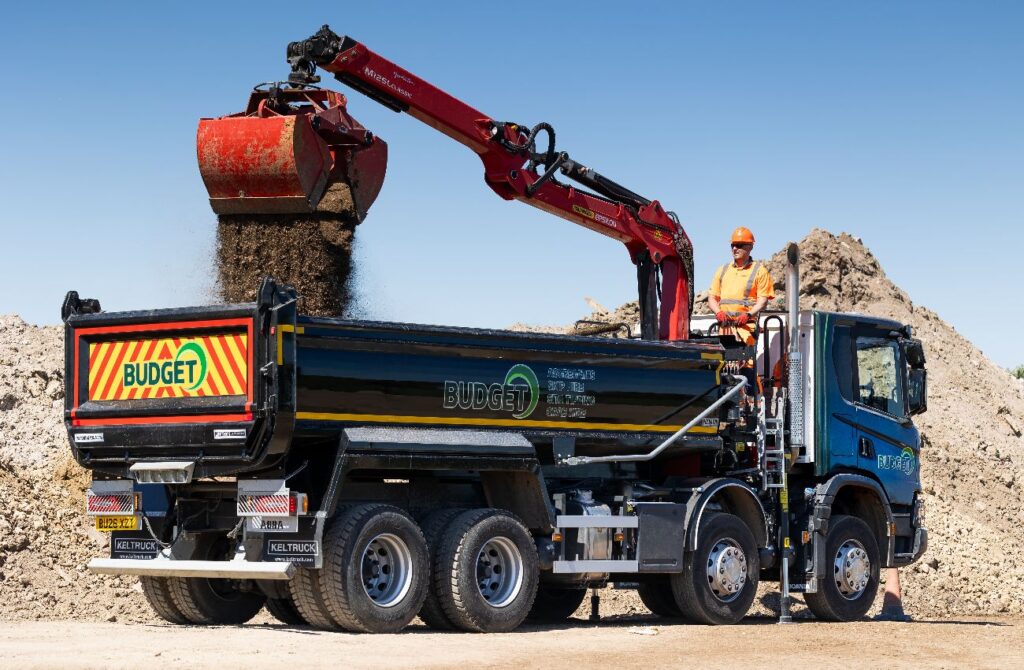
Choose man and van style removal for small, mixed loads, for sites with no room for a skip, or for waste you want gone today without lifting it. Choose a skip for renovations, house clearances, or any job where waste builds up over several days. For heavy, loose material like soil, rubble or hardcore, neither is ideal, because weight limits and manual loading work against you: grab hire takes a large load in one visit and the lorry does the loading.
What neither option will take
Whichever you choose, some items are restricted and have to be handled separately, such as asbestos, gas bottles, fridges and freezers, mattresses, paint and tyres. Our guide to what you can and cannot put in a skip lists them, and the same materials generally cannot go in a man and van load either.
The bottom line
Match the method to the waste. Small, awkward or same-day, and man and van is hard to beat. Larger, or spread over several days, and a skip is usually cheaper. Heavy and loose, and grab hire wins. Get that right and you will not overpay whichever you pick.