Fly-Tipping Fines Now Reach £5,000. Here’s How to Make Sure Your Rubbish Isn’t the Next Case
The maximum on-the-spot fine for fly-tipping in England has risen from £1,000 to £5,000. The government announced the increase in July 2026 and councils began applying the new range from 1 September, with each council deciding the level of fine according to how serious the offence is. The part most householders miss is that you do not have to dump anything yourself to be fined. If you hand your rubbish to someone who is not authorised to take it, and it ends up in a lay-by, you can be held responsible too.
Here is what has changed, what your responsibilities are, and how to make sure the person taking your waste is legitimate.
What has changed
The new rules raise the ceiling on fixed penalty notices for fly-tipping to £5,000 and for littering to £750. Councils keep discretion over where within that range a fine sits, so a small bag left by a bin will not be treated the same as a van load dumped in a field. The aim is to make fly-tipping cost more than paying for proper disposal, and to give councils a stronger option than going to court for every case.
The changes apply in England. Wales has been consulting on its own increase, so the figures there may differ.
Your duty of care as a householder
Every household has a legal duty to take reasonable steps to make sure its waste goes to someone authorised to deal with it. That duty does not disappear when you pay someone to take the rubbish away. If a cash-in-hand collector dumps your old kitchen units and the council traces them back to your address, you can be issued a duty of care penalty, separate from any fine the fly-tipper faces.
The amount for a householder duty of care penalty is set locally and varies between councils, typically several hundred pounds, and more serious cases can still go to court. The simplest protection is to check before anything leaves your property.
How to check who takes your rubbish
Anyone who collects waste as part of a business must be registered as a waste carrier. In England you can check a registration number on the Environment Agency’s public register in a couple of minutes. Natural Resources Wales and SEPA hold the equivalent registers for Wales and Scotland.
Before the collection, ask three things: their waste carrier registration number, where the waste is going, and whether they will give you a receipt or waste transfer note. A legitimate operator will answer all three without hesitation. Keep the paperwork, ideally with the name, address, registration number and a description of what was taken, because it is your evidence that you took reasonable steps.
Red flags to watch for
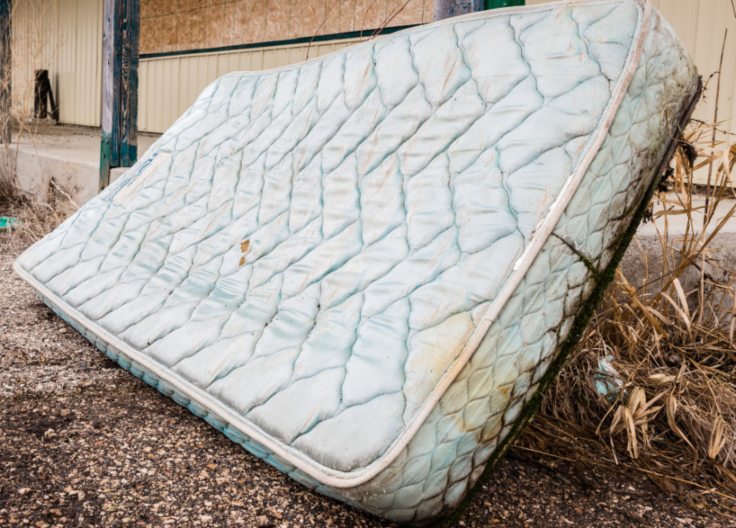
Most dodgy collections share the same warning signs. An offer on social media that is far cheaper than anyone else. Cash only, with no receipt. An unmarked van and no business address. A collector who will take anything, including items that are restricted, such as fridges, mattresses, paint or gas bottles. And a vague answer when you ask where it is all going. Any one of these is worth a second look. Two or more is a reason to say no.
What is coming next
The system for registering waste carriers is also being tightened. Regulations laid in 2026 move England from simple registration to a permit regime, with background checks and technical competence requirements, and the proposals include permit numbers displayed on vehicles. A transition period is expected, with the new regime fully in place during 2027. Once it is, telling a legitimate carrier from a rogue one should become easier, but the duty of care on householders stays the same.
Keeping the chain documented
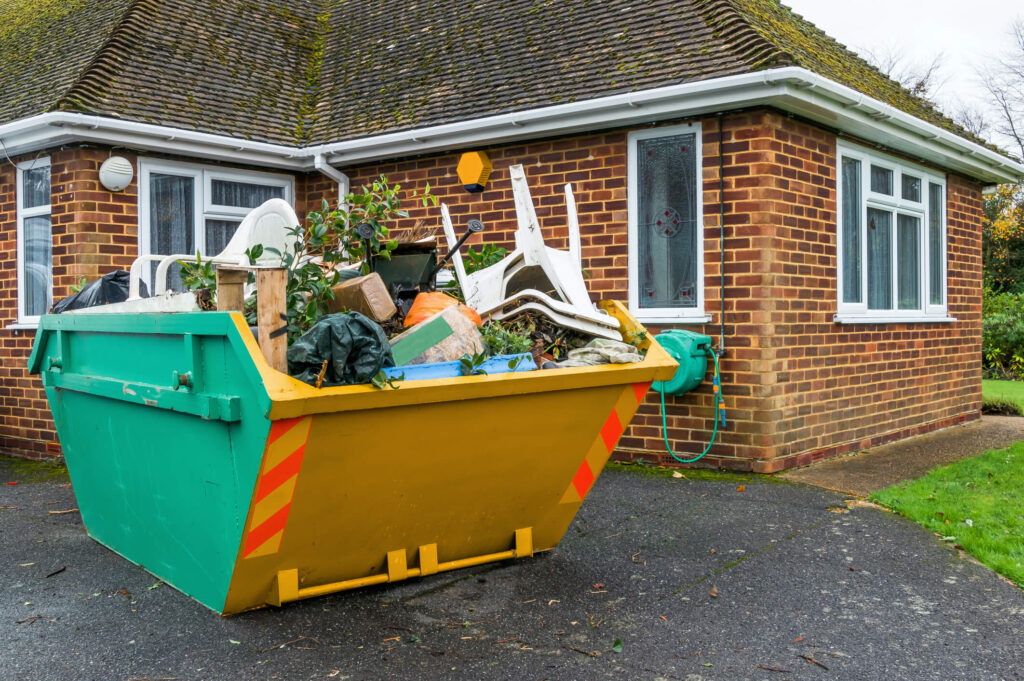
One of the reasons people hire a skip for a clear-out is that it keeps the whole chain accounted for: a licensed company delivers the container, collects it and takes the waste to a permitted site. The same applies to grab hire for heavier loads. Either way, restricted items still need separate handling, so check the list of what you can and cannot put in a skip before you load.
If you come across fly-tipping
Report it to your local council, which has a duty to investigate dumped waste on public land. Note the location and anything that might identify where it came from, but do not open bags or move anything that could be hazardous, such as asbestos sheeting, chemical containers or syringes.
The bottom line
The fines are bigger, but the fix for householders has not changed: check the carrier is registered, ask where the waste is going, and keep the receipt. Five minutes of checking is the difference between a tidy clear-out and a letter from the council.