Grab Hire vs Skip Hire: Which Is Cheaper?
Grab hire or a skip, which is cheaper, comes down to what you are throwing away and how much of it. The short answer: for a large amount of loose, heavy waste like soil or rubble, one grab lorry load usually costs less than the several skips it would take to shift the same material. For smaller, mixed waste you fill over time, a skip is simpler and cheaper. It is rarely about the price of one skip against one grab load; it is about how many skips your waste would actually need. Here is how each is priced and when each one wins.
How skip hire is priced
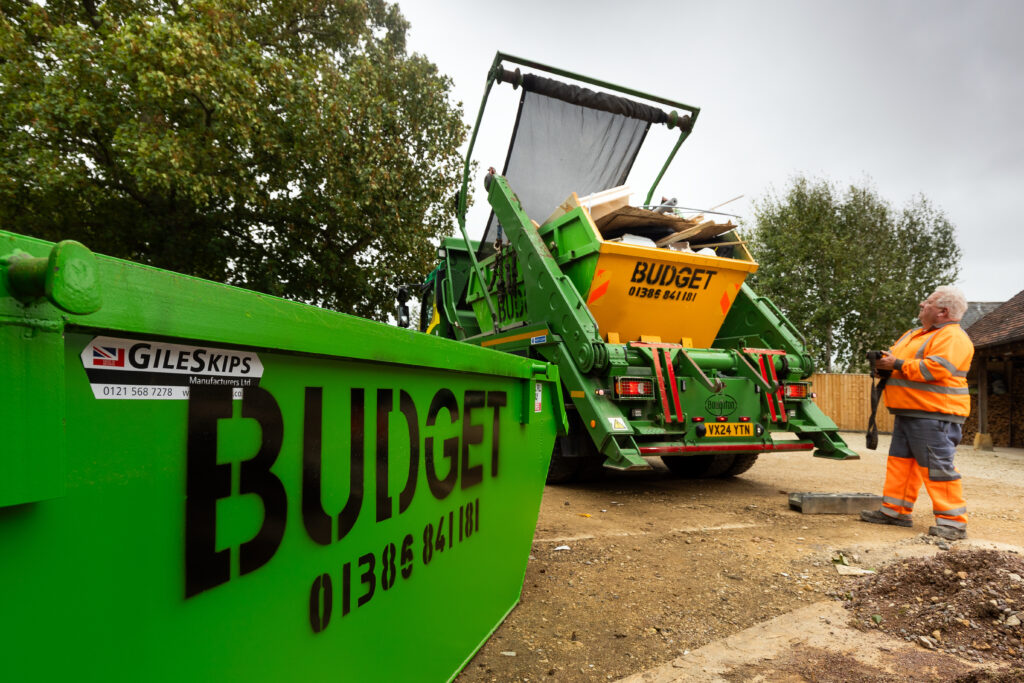
A skip is a fixed price for the size you book, set by postcode zone, and it includes a hire period. Budget Waste includes 7 days on 2 to 4-yard skips and 14 days on 6 to 8-yard skips. You pay for the skip whether you fill it or not, and if it goes on a public road you add a council permit. A bigger skip costs more, but heavy waste hits the weight limit before the skip is full, so paying for a larger skip does not always mean fitting more in.
How grab hire is priced
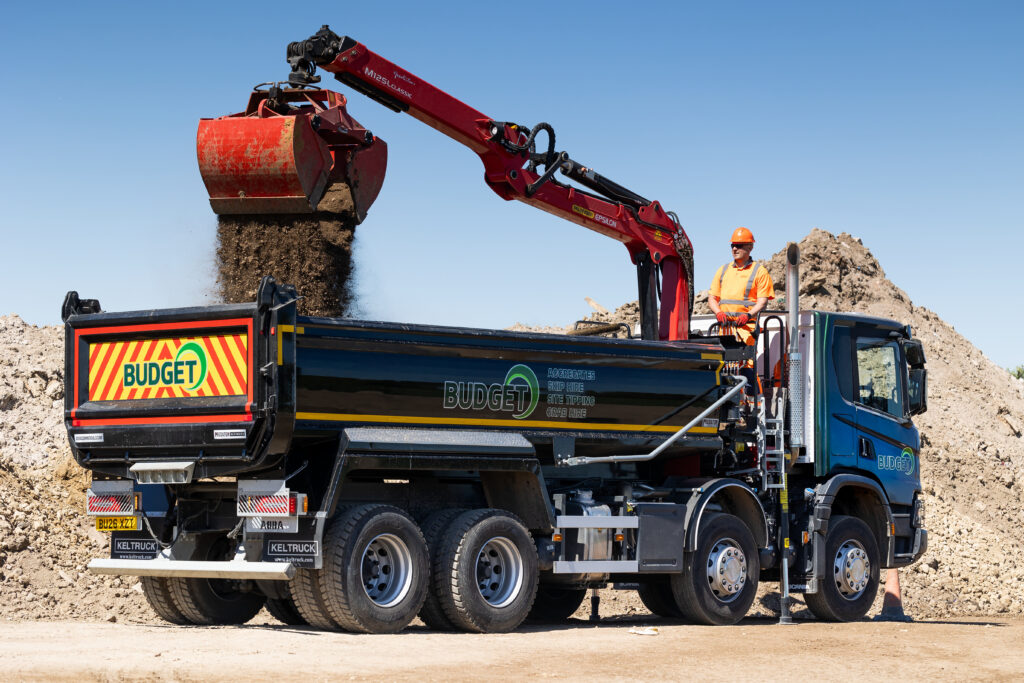
Grab hire is priced per load and is quote-based, because the cost depends on the waste type, the tonnage, how far the nearest licensed tip is, and the disposal charge for that material. One grab lorry carries a large volume in a single visit and the lorry loads it, so you are paying for removal and haulage rather than a container sitting on site. There is usually no permit, because the lorry parks only briefly rather than leaving a skip behind.
Cost drivers side by side
| Factor | Skip hire | Grab hire |
|---|---|---|
| What you pay for | The container and a fixed hire period | Removal, per load |
| Priced by | Skip size and postcode zone | Waste type, tonnage, distance to tip |
| Weight | Limited; heavy waste fills the weight before the volume | Takes heavy loads in bulk |
| On the road | Council permit needed | No permit, brief stop |
| Labour | You load it by hand | The lorry loads it |
| Best value when | Small, mixed, filled over days | Large, loose, heavy, cleared in one go |
When grab hire works out cheaper
Heavy, loose material in volume is where grab hire wins. If you have piles of soil, hardcore or concrete, the weight limit means you would need several skips to move it, and each skip is a separate charge.
Take a driveway dig-out. The spoil is dense, so a 6-yard skip would reach its weight limit while still part-empty, and you might need three or four of them, each charged separately and each loaded by hand. A grab lorry clears the same pile in far fewer loads with the arm doing the lifting, which is why heavy groundwork, driveways and site clearances usually come out cheaper by grab.
When a skip is cheaper
Smaller jobs and mixed waste favour a skip. If you are clearing a house gradually, filling a skip over a week with mixed household and building waste, a skip is the simpler and cheaper option, and you keep it on site for the hire period. Our guide to skip sizes helps you match the skip to the job so you do not overpay for space you will not use.
Three quick checks before you compare
Before you price either option, run through three questions. Is the waste heavy and loose, like soil or rubble, or mixed and bagged? Is it already piled where a lorry can reach it, or spread out and added to over time? And can a skip lorry actually get to where the skip would sit? Heavy, piled and hard to access points to grab hire. Mixed, gradual and easy access points to a skip.
Getting an accurate comparison
Because grab hire is quote-based and skip prices vary by area, the only reliable figure is one worked out for your specific waste and postcode. The skip hire page covers skip availability and pricing, and grab hire is handled through the grab hire service, which is priced per load.
The bottom line
It comes down to the waste. A lot of heavy, loose material cleared in one go usually favours grab hire, and smaller, mixed waste you fill over time usually favours a skip. Work out how many skips your load would actually need, and the cheaper option is normally obvious.