Before You Burn the Garden Rubbish: What the Law Actually Allows
There is no general law against having a bonfire in your garden. If the waste is dry, green garden material from your own property, you can usually burn it. What you cannot do is burn household rubbish, plastics or anyone else’s waste, and even a legal bonfire can land you in trouble if the smoke becomes a nuisance to neighbours or drifts across a road. With autumn clear-ups and bonfire night coming, here is where the lines actually sit.
What you can burn
Dry green garden waste from your own garden: prunings, hedge cuttings, dead leaves and twigs. Dry is the important word. Damp material smoulders rather than burns, and smouldering is what produces the thick smoke that causes most complaints.
What you cannot burn
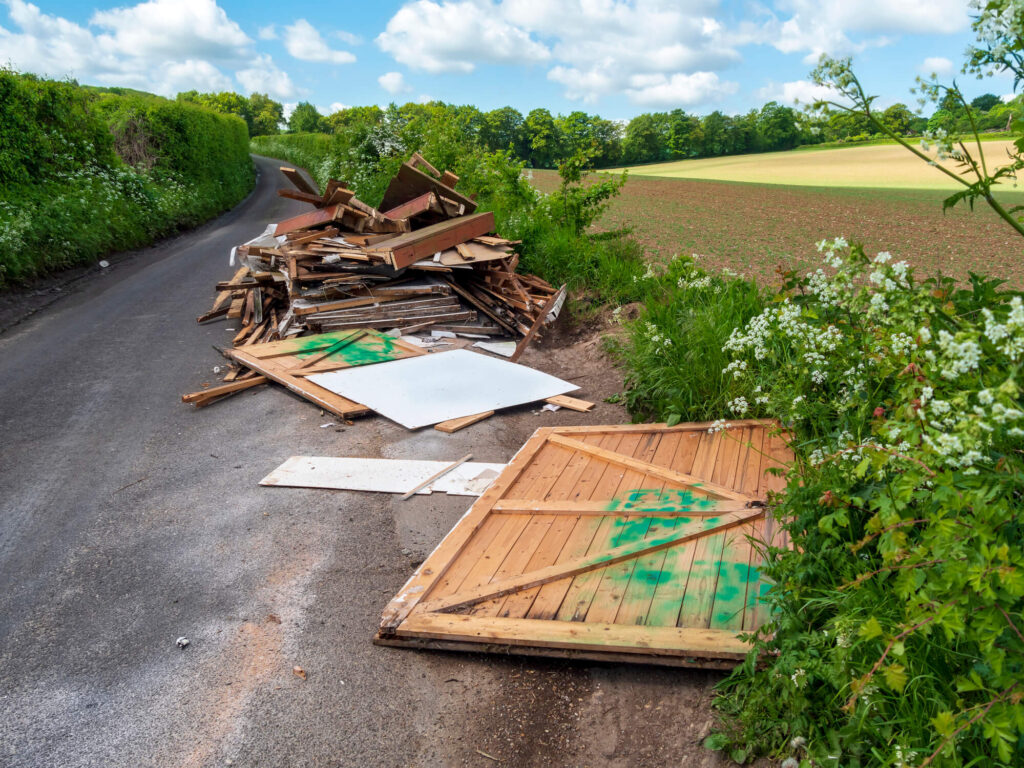
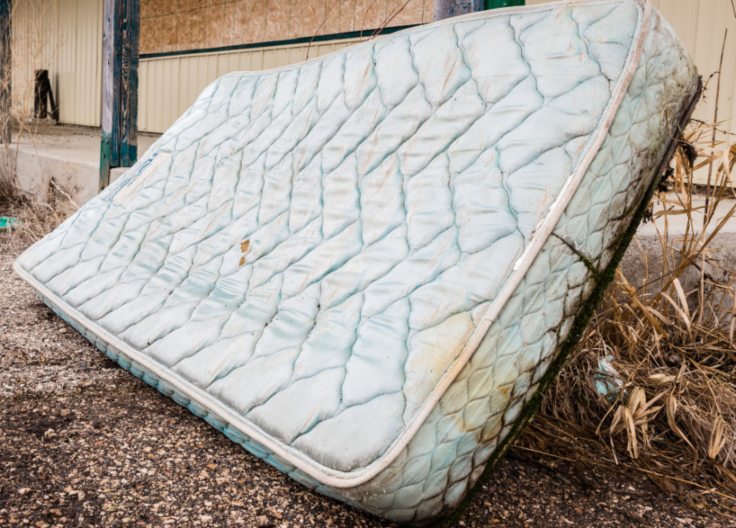
Household waste is off limits if burning it would cause pollution or harm, which in practice covers almost everything. Plastics, rubber, foam, painted or treated wood, old furniture and anything containing oil are the usual problem materials, and burning them can be a criminal offence under the Environmental Protection Act. Burning waste from another household, or waste from a trade or business, needs an environmental permit, so the friendly offer to burn a neighbour’s rubbish along with yours is not as harmless as it sounds.
Smoke, neighbours and the council
Even a legal bonfire can become a problem. If smoke regularly affects neighbours, the council can investigate it as a statutory nuisance and serve an abatement notice, and ignoring that notice can lead to a fine. A single bonfire is rarely enough for action; it is repeated fires that tend to draw complaints and enforcement.
Smoke over a road is treated more strictly. If smoke from your fire drifts across a road and becomes a danger to traffic, you can be fined.
Most councils suggest the obvious courtesy: check the wind direction, avoid burning when neighbours have washing out or windows open, and talk to each other before anyone reaches for the phone.
If you do light one
- Keep it small and well away from fences, sheds, trees and overhead cables.
- Burn dry material only, and add it gradually rather than piling everything on at once.
- Never use petrol or other accelerants.
- Have water or a hose to hand, and do not leave the fire unattended.
- If the material has been stacked for a while, check it before lighting. Hedgehogs and other wildlife often shelter in garden piles at this time of year.
What about incinerator bins and fire pits?
The same rules apply whatever you burn it in. A garden incinerator bin burns hotter and produces less smoke than an open heap, which makes it more neighbour-friendly, but it does not change what you are allowed to put in it. Green garden waste is fine; household rubbish and treated timber are not. A fire pit used for burning offcuts from a renovation is still burning construction waste, and the same restrictions apply.
Better ways to clear an autumn garden
For most gardens, burning is the least efficient option. Leaves and soft green waste make good compost or leaf mould, and many councils run a garden waste collection. Your local household waste recycling centre will take larger amounts.
Leaf mould is the easiest win. Rake fallen leaves into a simple wire cage or into bin bags with a few holes punched in them, keep them damp, and leave them in a corner. Within a year or two they break down into a crumbly mulch that is good for borders, at no cost and with no smoke.
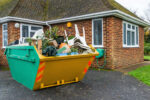
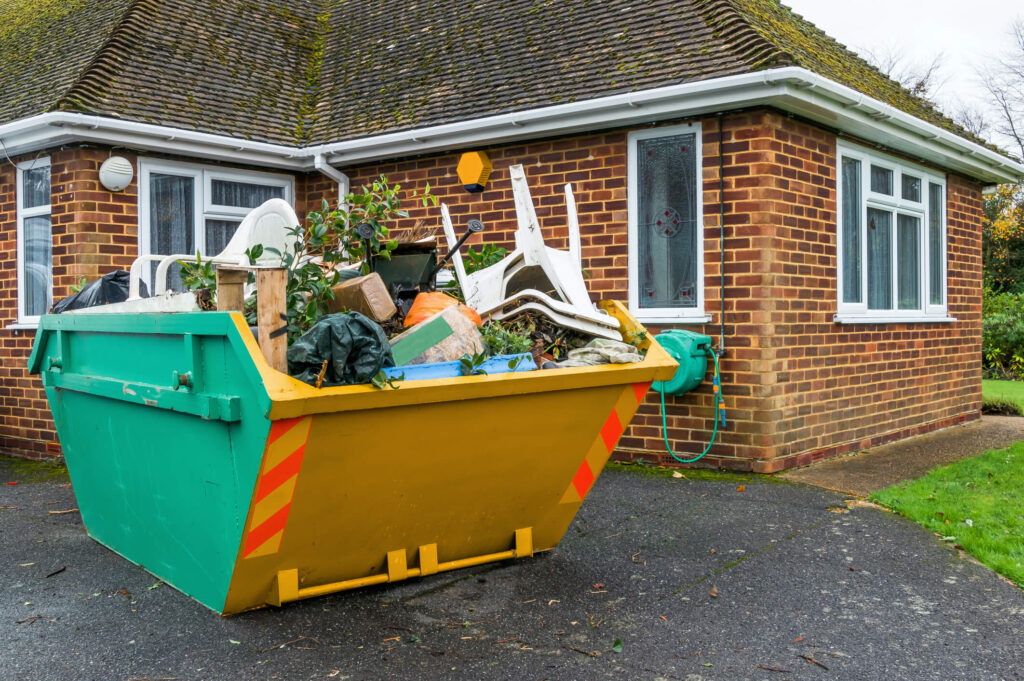
For a bigger clear-out, such as cutting back an overgrown boundary, lifting old turf or clearing a whole plot, a skip is usually quicker than weeks of small fires. Our guide to skip sizes covers which size suits the job, and if the job produces heavy soil or turf in bulk, grab hire takes it away in one visit. Treated wood and tree stumps are two exceptions worth knowing about, as they cannot go in a general skip and need to be handled separately. The full list is in our guide to what you can and cannot put in a skip.
The bottom line
Dry garden waste from your own garden is fine to burn, occasionally and considerately. Household rubbish, plastics, treated wood and other people’s waste are not. If the pile is big enough that you are planning several fires to get through it, composting, a council collection or a skip will almost always be faster, cleaner and less likely to annoy the neighbours.